

Crypto Trading Analysis: A Comprehensive Guide
In the ever-evolving world of digital currencies, effective crypto trading analysis is essential for success. With the surge in popularity of cryptocurrencies such as Bitcoin, Ethereum, and countless altcoins, traders must arm themselves with the right tools and strategies to make informed decisions. This article offers a thorough exploration of the significant aspects of crypto trading analysis, helping both beginners and experienced traders identify patterns, evaluate risks, and maximize profits. For more insights, Crypto Trading Analysis visit website to gain a broader perspective on trading strategies in various financial markets.
Understanding Crypto Market Trends
The cryptocurrency market operates on a 24/7 basis, distinguishing it from traditional stock markets. Such continuous trading hours can lead to significant price fluctuations and require traders to stay updated on market trends. Analyzing market trends involves considering both macroeconomic factors and news events that can influence prices. Traders should monitor major developments, such as regulatory changes, technological advancements, and market sentiment, to gauge potential price movements.
Technical Analysis in Crypto Trading
Technical analysis (TA) is a popular method used in crypto trading to forecast price movements based on historical data. Traders employ various tools and indicators to identify trends and potential reversal points. Common technical analysis tools include:

- Moving Averages: These help smooth price data to identify trends over specific periods.
- Relative Strength Index (RSI): This momentum oscillator measures the speed and change of price movements, helping identify overbought or oversold conditions.
- MACD (Moving Average Convergence Divergence): This tool illustrates the relationship between two moving averages of a security’s price.
- Bollinger Bands: These volatility bands are placed above and below a moving average, indicating possible price levels where an asset is overbought or oversold.
By leveraging these tools, traders can make data-driven decisions to enhance their trading strategies.
Fundamental Analysis in Crypto Trading
While technical analysis focuses on price movement, fundamental analysis (FA) delves into the underlying factors that might affect an asset’s value. In crypto trading, FA entails evaluating the technology behind a cryptocurrency, its use case, team, and market demand. Key aspects to consider include:
- Whitepapers: Reviewing a cryptocurrency’s white paper can provide insight into its functionality, potential applications, and developmental roadmap.
- Development Activity: Active development and updates can indicate a project’s reliability and longevity.
- Community Engagement: A strong community can impact a coin’s price and adoption. Analyze social media presence, forums, and community sentiment.
Conducting thorough fundamental analysis can help traders discern the long-term potential of cryptocurrencies and make more informed investment choices.
Risk Management Strategies
Since the crypto market is known for its volatility, effective risk management is a crucial component of trading strategy. Here are some essential risk management strategies:
- Position Sizing: Determine the appropriate amount to invest in each trade based on your overall portfolio value and risk tolerance.
- Stop-Loss Orders: Use stop-loss orders to automatically sell an asset when it reaches a certain price, thereby minimizing potential losses.
- Diversification: Invest in a variety of cryptocurrencies to spread risk across different assets, reducing the impact of a poor-performing investment.
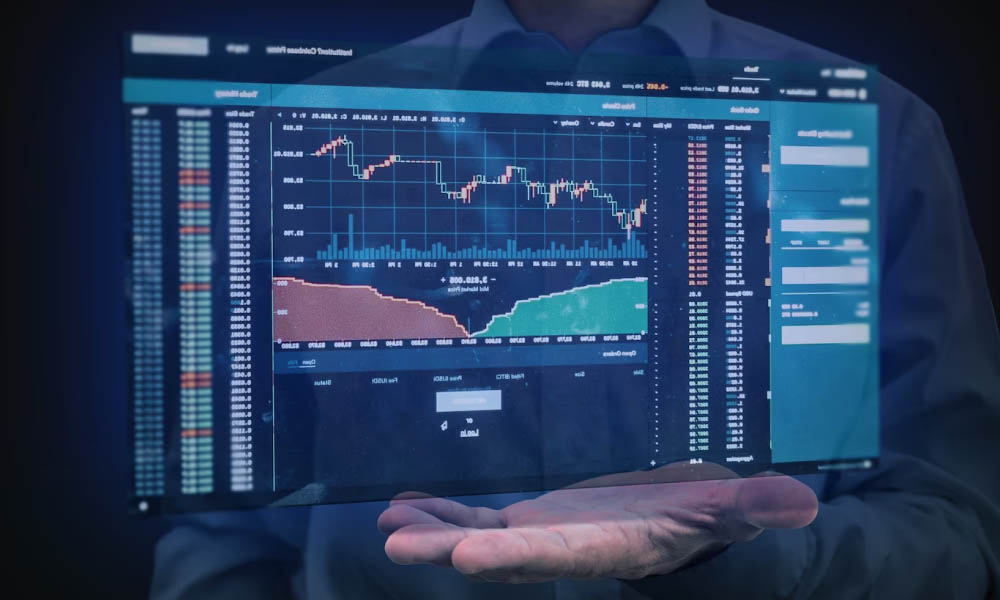
Incorporating proper risk management techniques can help protect traders from significant losses and keep them in the game during market downturns.
Staying Informed with Market News
To be successful in crypto trading analysis, it is indispensable to stay informed with the latest market news. Major events can influence market sentiment and cause rapid price movements. Traders should regularly check reliable news sources, follow influential figures in the cryptocurrency space on social media, and participate in relevant online forums. Utilizing news aggregators can also be a valuable way to compile information from various sources quickly.
Creating a Trading Plan
Having a well-defined trading plan can significantly enhance your trading performance. A trading plan should outline your trading goals, criteria for entering and exiting trades, and specific rules regarding risk management. Here are key elements to include:
- Trading Goals: Define your short-term and long-term trading objectives.
- Entry and Exit Criteria: Clearly specify the conditions under which you’ll open or close a position.
- Risk Management Rules: Include guidelines for position sizing, stop-loss orders, and diversification.
By establishing a trading plan, traders can minimize emotional decision-making and maintain focus on their strategies.
Final Thoughts on Crypto Trading Analysis
In conclusion, mastering the craft of crypto trading analysis requires understanding both technical and fundamental factors, effective risk management, and staying informed about market developments. Additionally, having a clear trading plan can guide decision-making and enhance profitability. As traders navigate the world of cryptocurrencies, continuous learning and adaptation will be key to succeeding in this dynamic and often unpredictable market. Whether you are new to crypto trading or looking to hone your skills, following the strategies outlined in this article can help you make better-informed decisions and improve your overall trading performance.